How to Winterize Windows
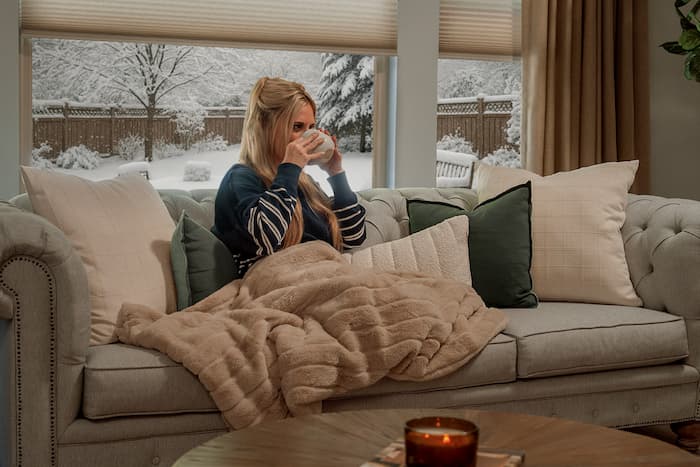
Your windows are one of the biggest factors in how well your home holds heat in the winter. Winterizing your windows is an essential part of maintaining a comfortable, energy-efficient home throughout the cold-weather season. If they’re drafty, poorly sealed, or uncovered, you’re likely losing precious warmth. Winterizing your windows isn’t just about comfort; it’s also about reducing energy bills and increasing efficiency.
Thankfully, there are many ways you can make your windows more efficient. Here’s our expert tips on making sure your home stays nice and warm even on the most frigid winter evenings:
Start with a Window Inspection
Before you can fix anything, you need to assess the condition of your windows.
- Check for damage: Look for cracked glass, broken locks, or warped frames. Damaged windows may need to be replaced entirely depending on the severity of the damage.
- Condensation between panes: This often indicates a failed seal in double- or triple-pane windows. Contact a window repair specialist or the manufacturer to reseal your windows and make sure they’re keeping out that cold air. If your windows are still under warranty, you can often get this service done for free!
- Draft detection: On a cold or windy day, slowly run your hand around the edges of your windows to feel for cold air. You can also use an incense stick or candle flame to spot movement. If you see or feel movement of cold air, it’s likely that your window needs a little TLC to keep your home warm.
Seal Gaps and Cracks
Air leaks around windows are a major source of heat loss. Fortunately, they’re often easy to fix:
- Re-caulk around frames: Scrape off any dried or cracked caulk and apply a fresh, paintable silicone or latex caulk along the seams. This can often be done without the need for a professional.
- Add or replace weatherstripping: If your current weatherstripping (a strip of rubber or other material used to seal the edges of your windows against the cold) is cracked, flattened, or missing, replace it with foam tape, V-strip, or rubber gaskets.
- Use rope caulk: For older or less frequently opened windows, rope caulk is a temporary but effective way to seal larger gaps in the winter months.
Add Insulating Window Treatments
High performance insulated window coverings are one of the easiest and most attractive ways to retain heat and are one of the most powerful steps you can take to winterize your windows. Unlike some temporary fixes, these solutions add year-round value and style to your home.
- Cellular (honeycomb) shades: Designed with a unique honeycomb structure, these shades trap air in pockets to create a thermal barrier between the window and your room. They’re among the most energy-efficient window treatments available.

- Layered drapes and curtains: Combining decorative drapes with thermal liners adds insulation without sacrificing beauty. You can even choose fabrics, fullness, and custom sizing to create a luxurious, draft-blocking solution.

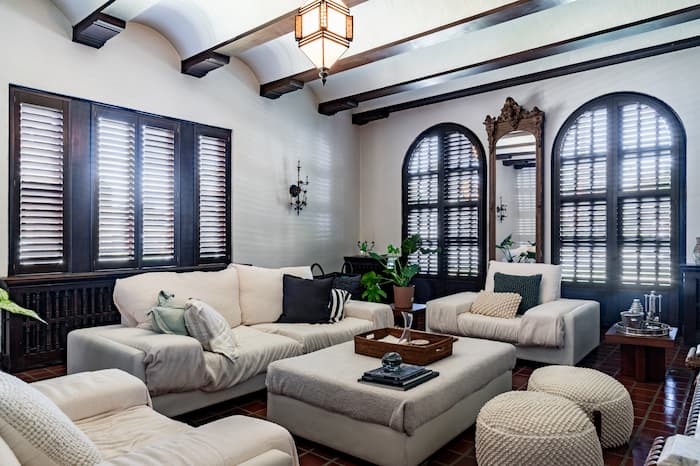
- Custom shutters: Hardwood and composite interior shutters aren’t just beautiful. They provide a solid, insulating layer that helps control temperature and reduce heat loss.
- Motorized solutions: Motorized shades, blinds, and drapery can be programmed to open and close with the sun’s schedule, keeping your home warmer with complete convenience.

Choosing customized window treatments also ensures that your windows are completely covered and takes the guesswork out of choosing the right treatment for your home and personal preferences.
Let the Sun Work for You
Maximize solar gain during the day and trap heat at night by timing your window covering usage.
- Open east- and south-facing window coverings during the day to let in sunlight and naturally warm your home.
- Close all coverings at sunset to trap heat inside. The more layers, the better. This way, you get a better night’s sleep and your heat doesn’t have to work as hard to keep your home comfortable.
- Use motorized shades to automate the process. You can set schedules to open and close at optimal times, which is great for those who travel or just don’t want to think about it.
Upgrade Your Windows (If Needed)
If your windows are beyond repair, replacement might be the best long-term option. Here’s some tips when considering which windows to choose for winterization:
- Check the R-value: This number measures a window’s resistance to heat flow. The higher the R-value, the better the window insulates. Look for windows with a high R-value and a low U-factor for maximum energy savings.
- Choose double- or triple-pane glass: Ideally, pick windows with gas fills (like argon) and Low-E coatings, which help reflect heat back into your home.
- Consider ENERGY STAR®-rated windows: This helps make sure you’re getting top-tier thermal performance.
Make it Stylish, Too
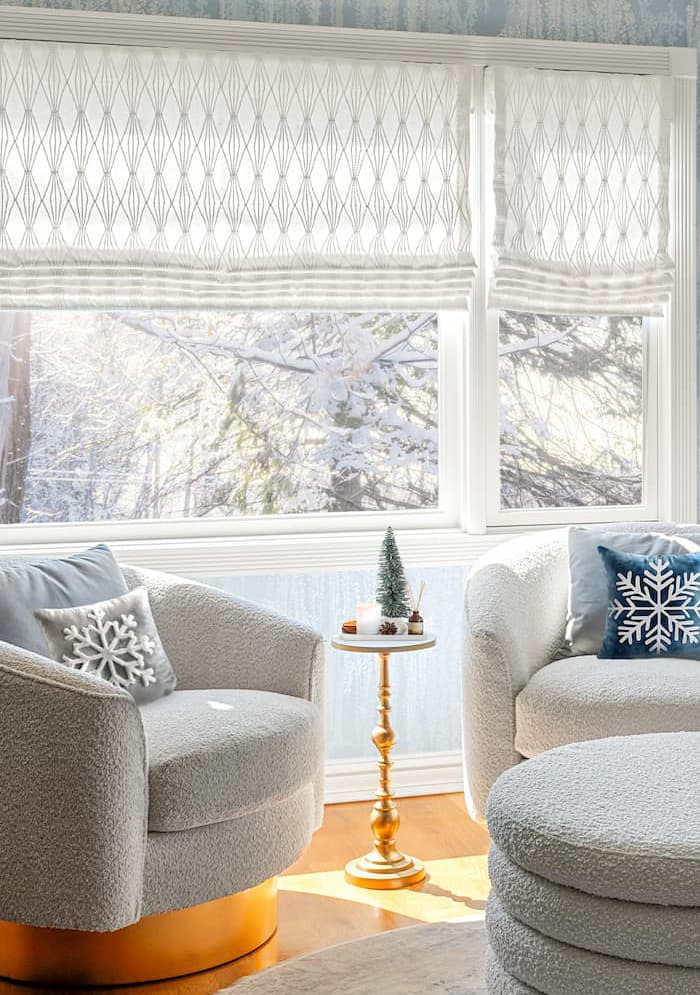
Staying warm doesn’t mean sacrificing your home’s aesthetic. In fact, the right window treatment can add to both your home's efficiency and beauty.
- Match your treatments to your decor: Cellular shades, Roman shades, drapery, and more are available in a wide range of colors, patterns, and finishes. Our team can help you choose the perfect design to complement your home.
- Layer textures: Combine natural wood, fabric, and metallic accents to elevate the cozy, winter-ready vibe of your space.
Keep Your Home Cozy
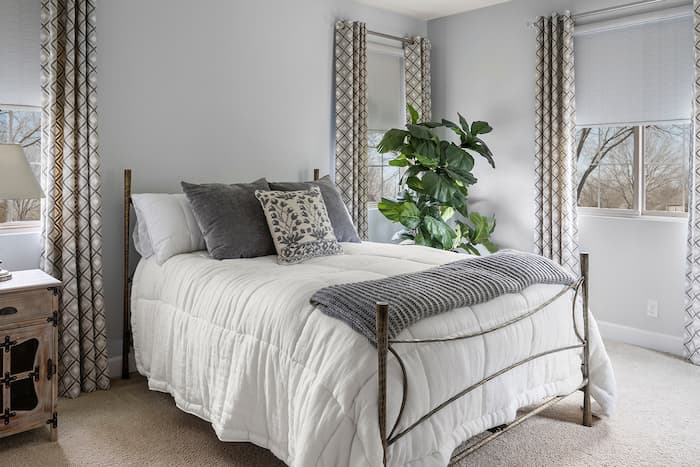
Whether you're adding new insulating shades or layering thermal drapery, the right window treatments can make a world of difference in your home’s comfort and energy efficiency. At Budget Blinds, we can help you choose stylish, functional solutions that support your winterization efforts and look great year-round.
Schedule your free in-home consultation today to explore options and get personalized recommendations from your local Budget Blinds expert.