White vs Cream: Beat the “Banana” Effect & Match Your Trim Perfectly
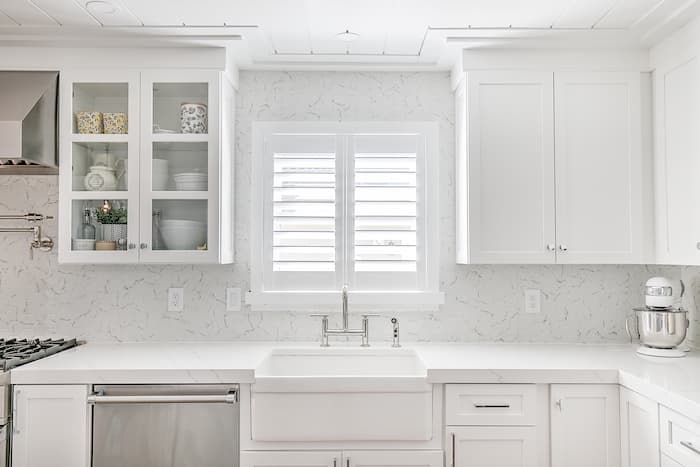
You’ve likely been there — all of a sudden, your favorite white plantation shutters have turned yellow and look nowhere near as good as they once did.
While sunlight tends to have this effect on warm-white hued window treatments, there are ways to combat it. The easiest way? Choosing window treatments with a “true” white shade that will stay neutral over time.
Learn more about the effects of sunlight on white window treatments and how to prevent it.
How Does Sunlight Affect Your Blinds?
Sunlight can negatively impact your plantation blinds, and many other styles of pale window treatments.
Negative effects from sunlight on your window treatments include:
Yellowing: Most commonly, sunlight can cause window treatments to have a yellow shade — AKA, the “banana” effect. As a result, this gives your blinds a tinged, outdated look.
Damage: Material damage can also be a result of direct sunlight on window treatments. Over time, this exposure can break down fabrics and natural materials.
Heat Retention: Warm-white blinds tend to absorb more heat than cooler-toned white blinds. This can create heat retention in your home, not only raising the indoor temperature but also potentially damaging nearby furnishings.
Choosing True White Window Treatment Shades
“True” white window shades simply mean they have no discernable undertone. For example, many different window treatments may be white, but they have either a cool or warm undertone. True white has neither.
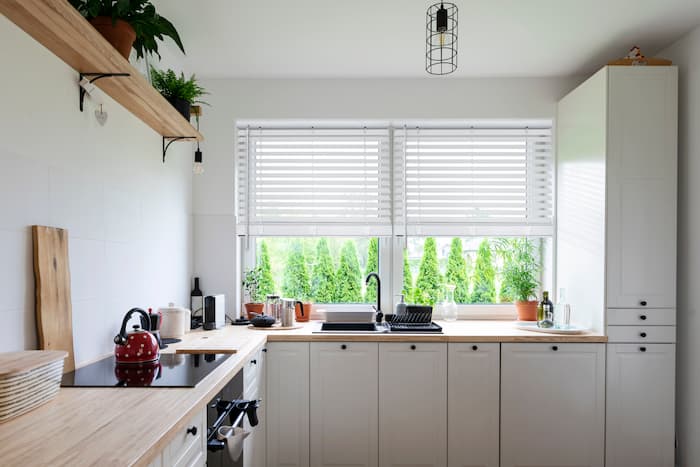
Here’s what to look for when opting for true white plantation blinds or other window treatments:
Undertones: Common undertones in white window treatments are cool or warm. A true white shade will have neither — rather, it’s completely neutral. Stay away from shades with cream or ivory in the name, as these are warmer-toned whites. Conversely, keep an eye out for whites with blue or grey tones, as this gives off a cooler feel.
Lighting: Consider the lighting of your home and how it will play with your window treatment’s shade. For example, a shade that appears white in an indoor setting may have a distinct undertone in natural light. Test a sample in a room with natural lighting to get the true effect.
Trim/wall colors: It’s beneficial to match your window treatments to the whitest area in your room — this is usually the trim. In rooms that have a cool or bright white shade, treatments with a creamier shade may come off as dingy. By paying attention to the trim, this is easily avoided.
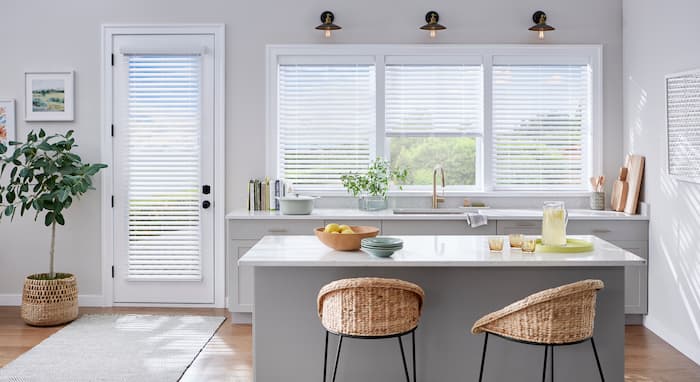
What Are Popular White Window Treatments?
There are countless options to choose from when it comes to picking sleek, white window treatments for your home.
For instance, faux wood blinds are a fantastic choice, providing versatile style and durability. This type of window treatment pairs wonderfully in farmhouse, transitional, or traditional interiors.
Cellular shades make the perfect neutral white window treatments and provide timeless style that pairs well with drapery. Providing clean lines and easy use, cellular shades look beautiful in contemporary or mid-century modern homes.
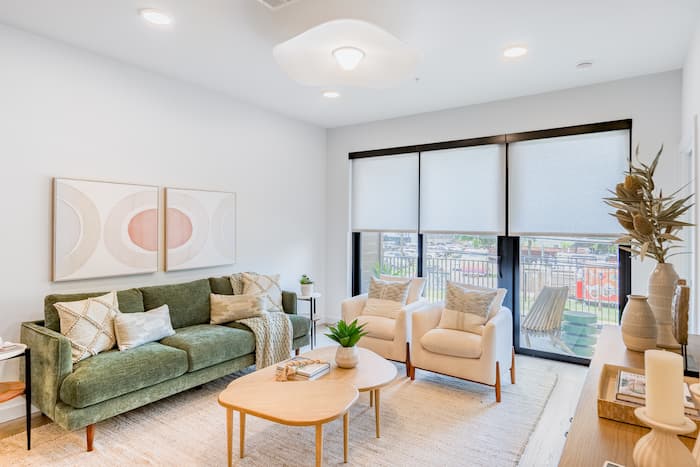
Yet another solid option are roller shades. This window treatment is simple to care for and provides versatile style to your home, complementing a variety of interior designs.
Lastly, Plantation blinds or shutters are popular window treatments that give your home a sleek, coastal feel. Plantation blinds bring the perfect amount of stylish, functional structure to your space and pair well with colonial or modern farmhouse interiors.
Request a Free In-Home Consultation to Match Your Perfect White
Enjoying crisp, white window treatments is possible — and so is never dealing with the “banana” effect again. At Budget Blinds, our wide range of window treatment options will provide timeless elegance to your space while staying yellow-free for the long-haul.
Schedule a personalized consultation with our team today to learn more about which option works best for your space.