
Are Motorized Blinds Worth the Investment in Manhattan Apartments
In the heart of Midtown Manhattan, soaring glass towers meet historic pre-war charm, making your windows both a greatest asset and a significant design challenge. You’ve likely seen motorized blinds glide effortlessly in a neighbor’s newly renovated apartment or a high-end showroom on 3rd Avenue.
While these automated window treatments look undeniably futuristic, their premium pricing compared to manual versions may leave you wondering if the technology truly justifies the expense. The answer depends on your specific apartment layout, your tech habits, and your long-term plans for your Manhattan home
From addressing window accessibility to enhancing energy efficiency, these systems offer more than just a sleek aesthetic. Let’s break down the real value of smart home blinds to determine if they are the right choice for your lifestyle.
But before you look at the tech, let’s talk numbers.
How Much Do Motorized Blinds Cost in Manhattan?
In the Manhattan market, motorized shades typically cost 40% to 70% more than manual versions, with professional installation for a standard window ranging from $450 to $650.
|
FEATURE |
MANUAL SHADES (INSTALLED) |
MOTORIZED SHADES (INSTALLED) |
|
Standard Window |
$250 – $400 |
$450 – $650 |
|
2-BR Apt (8 Windows) |
$2,000 – $3,200 |
$3,600 – $5,200 |
|
Smart Integration |
N/A |
+$100 – $300 (System wide) |
|
Maintenance |
Minimal |
Battery/Firmware updates |
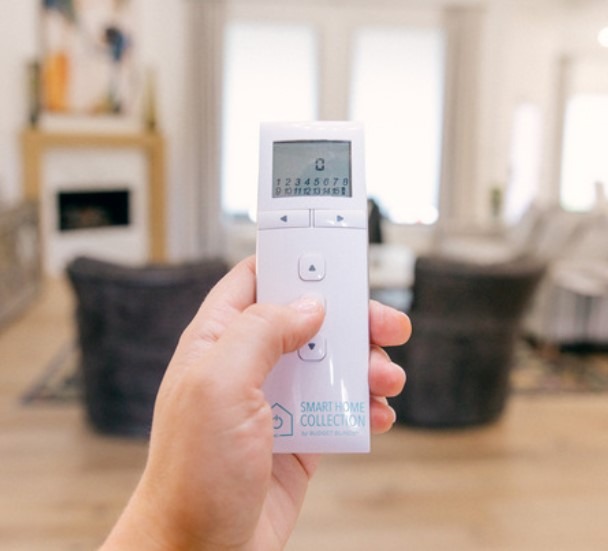
Pro Tip: If you're looking for value without sacrificing the Manhattan aesthetic, Budget Blinds Midtown Manhattan offers several tiers of motorization. Their Smart Home Collection features Somfy-powered motors that integrate with Alexa, providing luxury tech at a more accessible price point than full custom boutique brands.
Why Is Motorization a Practical Necessity for Midtown Lofts?
In many Manhattan layouts, motorization moves from "luxury" to "essential" due to architectural quirks:
-
Floor-to-Ceiling Glass: Common in Hudson Yards, heavy shades are hard to operate manually.
-
Inaccessible Windows: Above sinks, tubs, or desks, manual adjustment is inconvenient.
-
Double-Height Lofts: In Soho or DUMBO, ceilings 12–15 ft high require ladders for manual cords.
-
Compact Layouts: Shades behind beds or sofas benefit from motorization, removing cord tangles.
Smart Home Integration & Energy Efficiency
Manhattanites are increasingly tech-forward, using platforms like Lutro Control4, Savant, and smart thermostats.
The Lifestyle "Lift"
-
Natural Wake-Ups: Schedule shades to rise with morning light.
-
Voice Control: “Alexa, movie mode” lowers shades and dims lights simultaneously.
-
Security: Programed shades simulate occupancy while away, deterring intruders.
Climate Control
Automated shades close during peak sun on south-facing windows, reducing HVAC load and protecting furniture from UV damage.
Even if the lifestyle benefits are clear, the installation reality in an NYC apartment—where walls can be thick and boards can be strict—comes down to one choice: power.
Battery vs. Hardwired Shades
Choosing the right power method is essential for NYC residents:
-
Battery-Powered: Perfect for retrofits. No electrical work is required, avoiding board approvals. Quality lithium batteries last 6–18 months and recharge in about 4 hours.
-
Hardwired: Best for gut renovations or new builds. Eliminates battery maintenance but requires running wiring to each window.
Safety and Aesthetics
-
Child & Pet Safety: Motorized shades are cordless, reducing risk for families.
-
Clean Lines: Minimalist Manhattan interiors benefit from flush, cord-free aesthetics that preserve architectural integrity.
The Verdict: Should You Invest?
Invest in Motorization IF you are a long-term owner:
-
You have high or obstructed windows.
-
You have a smart home ecosystem (Lutron, etc.).
-
You have young children or pets.
-
You are an owner-occupier planning to stay for 5+ years.
Stick with Manual IF are renting short-term:
-
You are in a short-term rental (shades are difficult/expensive to move).
-
Your windows are easily accessible at chest height.
-
You prefer a "low-tech" home with minimal maintenance.
-
You are on a strict budget—manual cordless shades offer the same safety benefits for less.
Making Your Decision
Schedule a consultation with a specialist who understands the unique rules of Manhattan buildings—such as co-op board approvals for hardwiring. A quality professional will assess your windows and provide an honest recommendation, whether that includes full motorization or high-quality manual alternatives.
Frequently Asked Questions
Q1: Are motorized blinds worth it for Manhattan apartments?
A1: Yes—especially in Midtown Manhattan apartments with high, inaccessible, or floor-to-ceiling windows. They enhance accessibility, energy efficiency, and smart home integration.
Q2: How much more do motorized shades cost compared to manual?
A2: Motorized shades in Manhattan typically cost 40–70% more than manual options, depending on size, number of windows, and smart integration features.
Q3: Can motorized blinds integrate with smart home systems?
A3: Absolutely. Popular platforms like Lutron, Control4, Savant, and Alexa allow you to schedule, control, and automate shades across your Manhattan apartment.
Q4: Should I choose battery-powered or hardwired motorized blinds?
A4: Battery-powered shades are ideal for retrofits, requiring no electrical work. Hardwired systems suit gut renovations or new construction, eliminating battery maintenance.
Q5: Are motorized blinds safe for children and pets?
A5: Yes. They are cordless, reducing the risk of accidents, making them safer than traditional corded shades in families with toddlers or pets.
Q6: Can motorized blinds be retrofitted in pre-war Manhattan apartments?
A6: Yes. Most battery-powered automated window treatments are ideal for retrofitting pre-war apartments, requiring no electrical work or board approvals.
Q7: Do motorized blinds increase apartment resale value?
A7: Yes. Modern smart home blinds and energy-saving shades are attractive to buyers, adding convenience, style, and efficiency—potentially boosting resale value in Manhattan apartments.
About the Authors:
Sue & Trevor Pinto are the owners of Budget Blinds of Midtown Manhattan. As local neighborhood experts, they specialize in providing custom window treatment solutions that address the unique architectural needs of New York City living—from high-rise motorized shades to child-safe cordless designs.
With a deep commitment to the Manhattan community, Sue and Trevor leverage their expertise in smart home automation and design to help residents from Hudson Yards to the Upper East Side find the perfect balance of style, privacy, and efficiency.